Marrying a foreigner in Spain or abroad: where is it easier, faster, and cheaper?
Spain is a beautiful country to live and love in, but its bureaucratic system (burocracia) can ruin any romantic plans. Just to submit a marriage application, foreigners have to gather documents from their home country, obtain sworn translations, and wait for months.
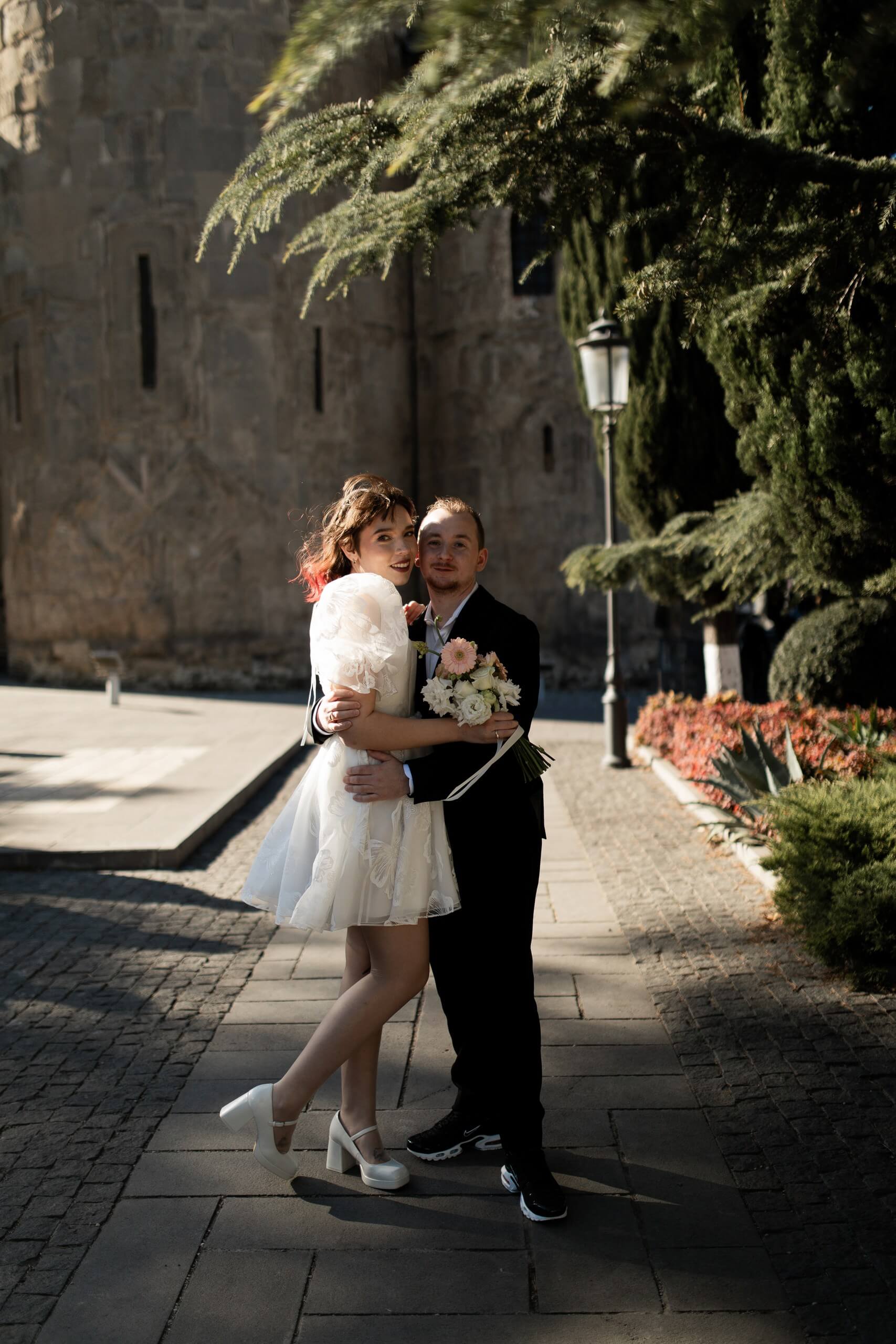
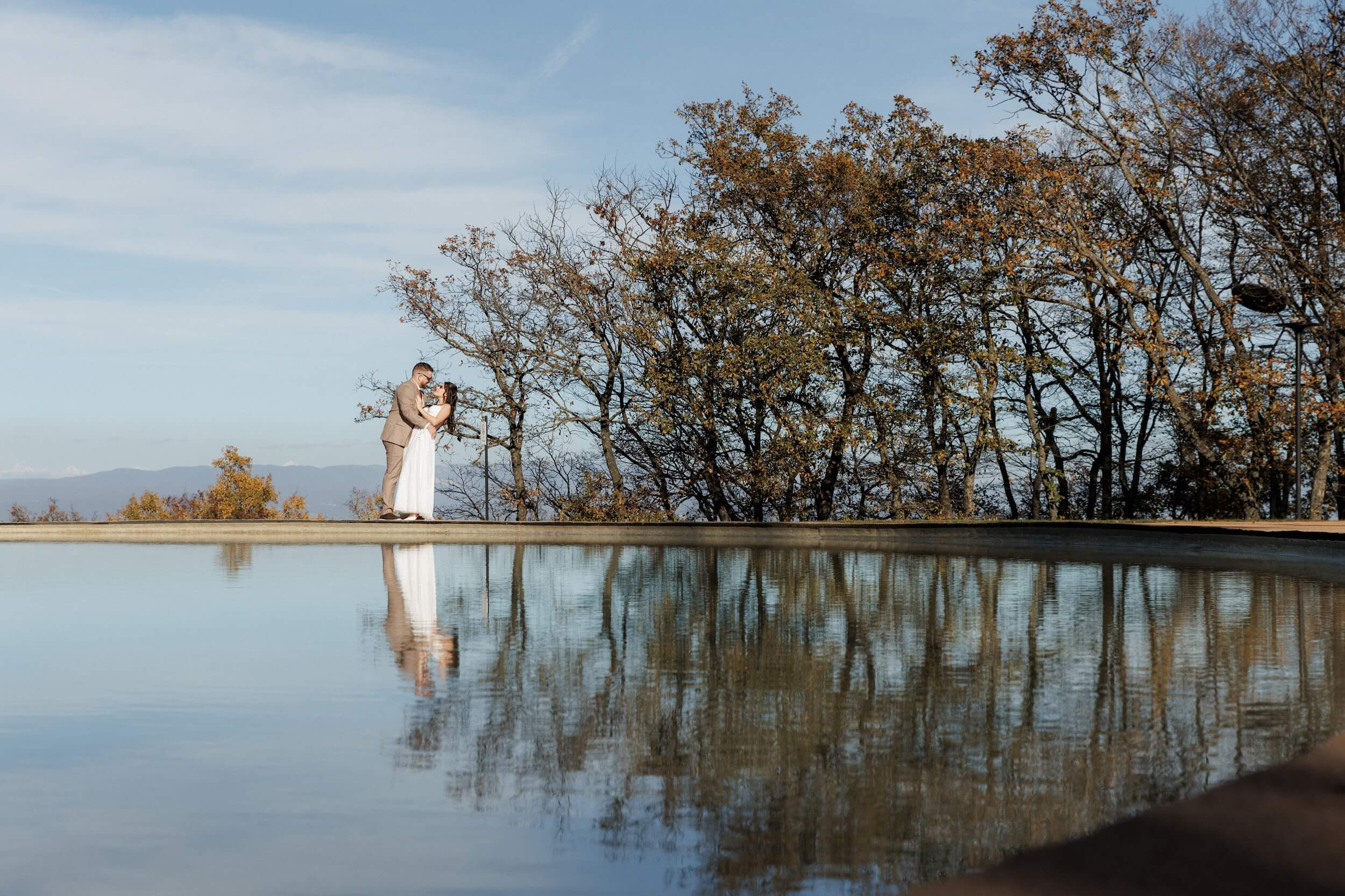
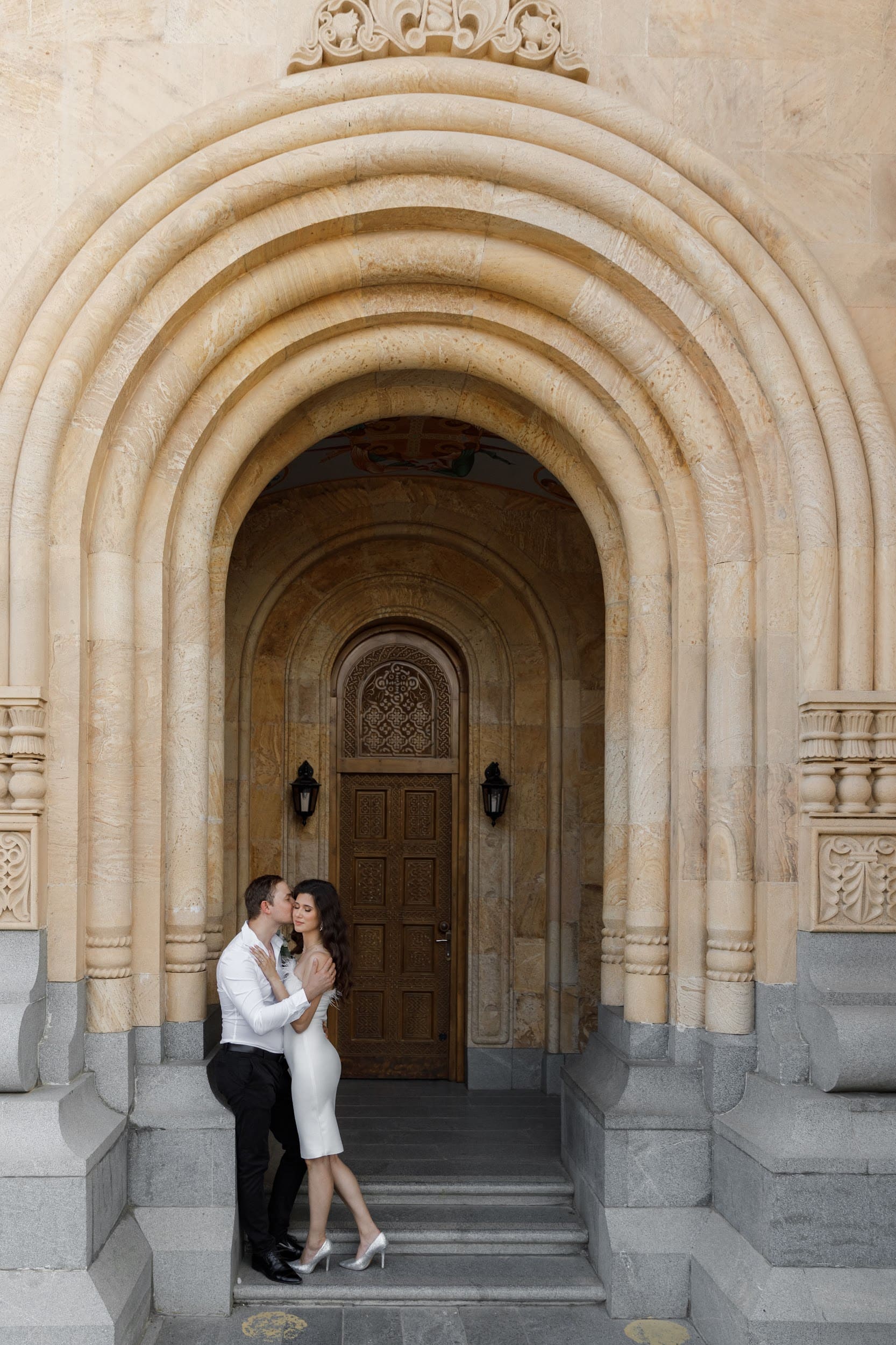
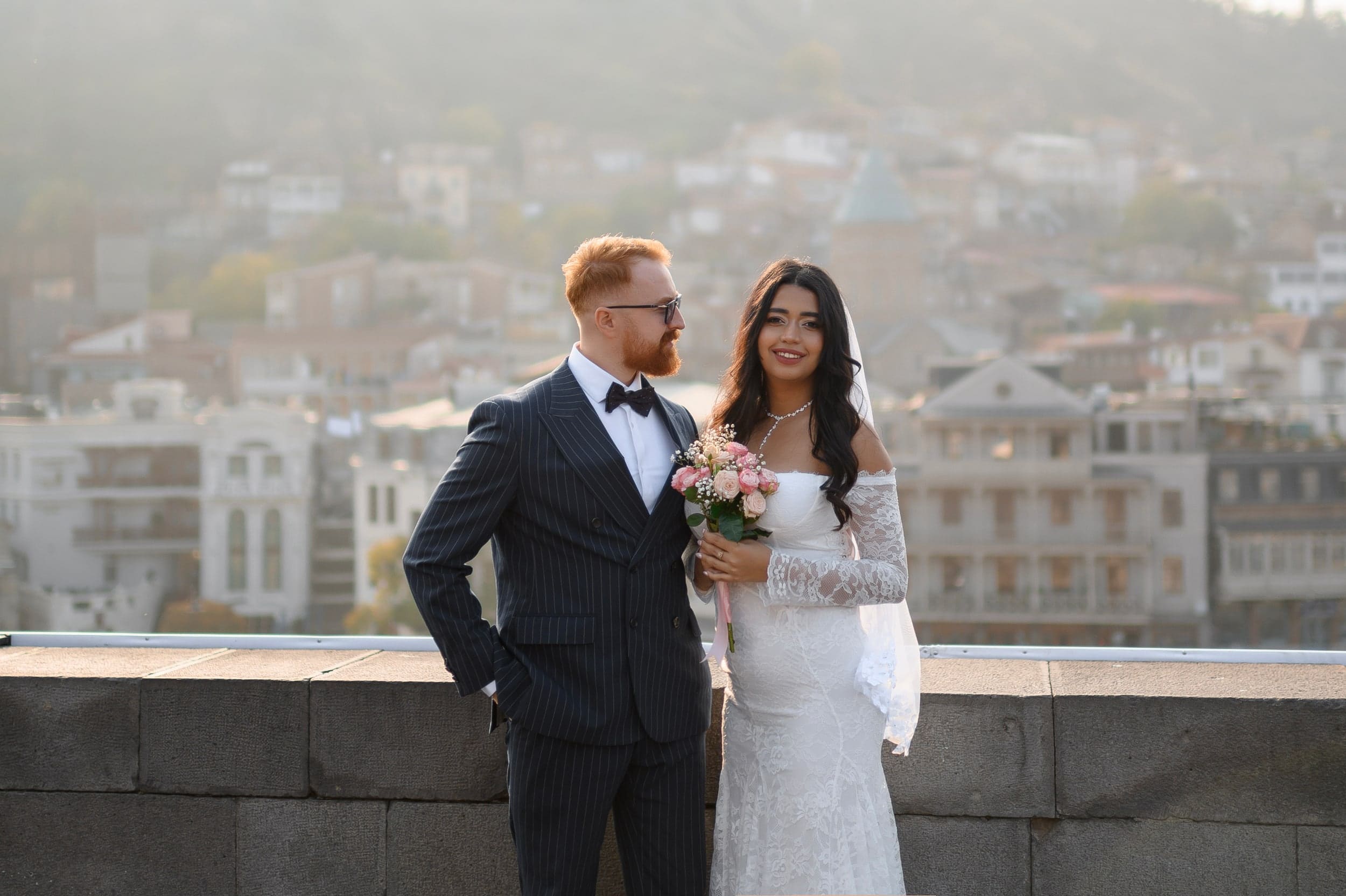
In this article, you will learn what circles of hell you have to go through at the Spanish Civil Registry just to get married. We will also reveal a completely legal way to bypass the system. A wedding in Georgia for residents of Spain can be done in just 24 hours, and the Georgian marriage certificate is recognized worldwide.




Do you have any questions?

How foreigners can get married in Spain: a step-by-step guide to the Registro Civil
The first stage of the document-gathering marathon begins at the Civil Registry (Registro Civil) corresponding to your place of residence. The process starts with opening a “marriage file” (apertura del expediente matrimonial). The couple brings the required package of papers and submits a marriage application. The future spouses must prove to the state that their marriage is not a sham. Proof of legal residence in Spain for at least one of the partners is required. After that, you will have to wait several months in line for an interview.
What documents are required to get married in Spain?
The standard list includes original documents and copies: international passports and a DNI/NIE must be submitted. Legalized (apostilled) birth certificates (and divorce or death certificates of a previous partner, if applicable) must be provided along with a translation.
The most difficult documents: empadronamiento and certificado de soltería
The biggest headache and a serious problem for foreigners are the specific documents required for marriage in Spain. The Certificado de soltería (certificate of single status) confirms that the future spouses have no other official marital ties in their home country. A certificate of no impediment to marriage is issued by consulates or competent authorities in the bride’s or groom’s home country.
To get the marriage approved, you need to prove that one of the partners has been living on Spanish territory by providing the empadronamiento histórico (historical certificate of registration). If this period is less than two years, you need to get a certificate from the city hall of your current residence. You will also need a similar document from your home country containing information about your last registered address. All documents must be translated into Spanish exclusively by accredited sworn translators (traductores jurados).
Waiting periods and the sham marriage interview (audiencia reservada)
In major cities (Barcelona, Alicante, Madrid, Valencia), the appointment system for submitting documents is often overloaded. Just getting an appointment date can take anywhere from 3 to 6 months. In small villages, there are practically no queues. However, you can only submit documents there if at least one of the partners is officially registered as living in that municipality.
To prevent sham marriages, Spain requires an “interrogation” of the newlyweds in separate rooms. First, one of the future spouses is interviewed, and then the other. Their answers must match as closely as possible. Couples with a large age gap, no common language of communication, contradictions in their information, or a short relationship history raise suspicions. Foreigners are often rejected if the authorities believe the marriage is a sham entered into solely to obtain a residence permit.
Topics of questions asked during the interview:
- About the partner’s family: What are the names of their parents and siblings? When are their birthdays?
- About your relationship history: When and where did you meet? How was the proposal made?
- Daily life: Which side of the bed does your partner prefer? What color is their toothbrush? Who takes out the trash more often?
- Future plans: Where do you plan to live? Do you intend to have children? And so on.

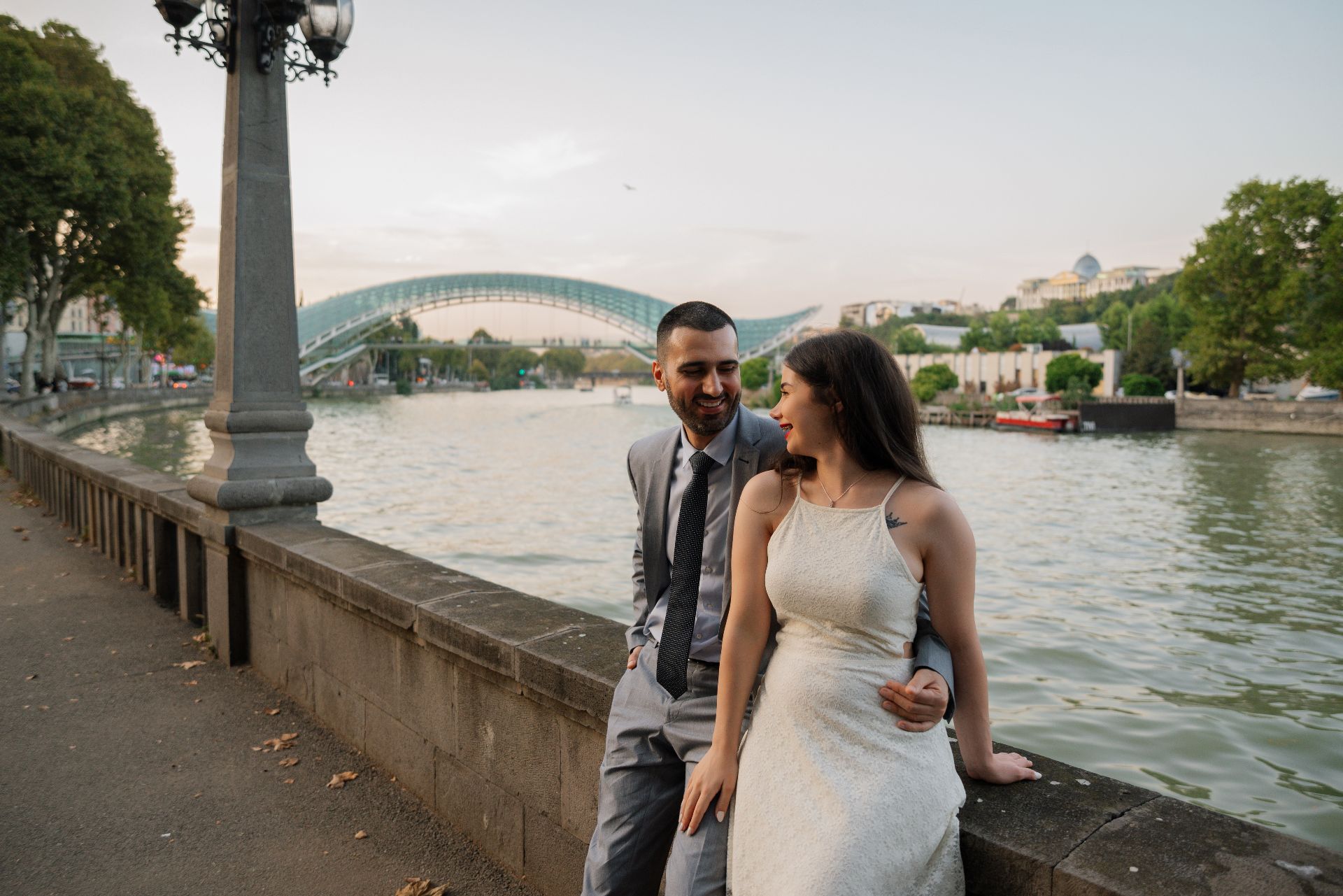
Fast marriage registration abroad: why expats choose Georgia
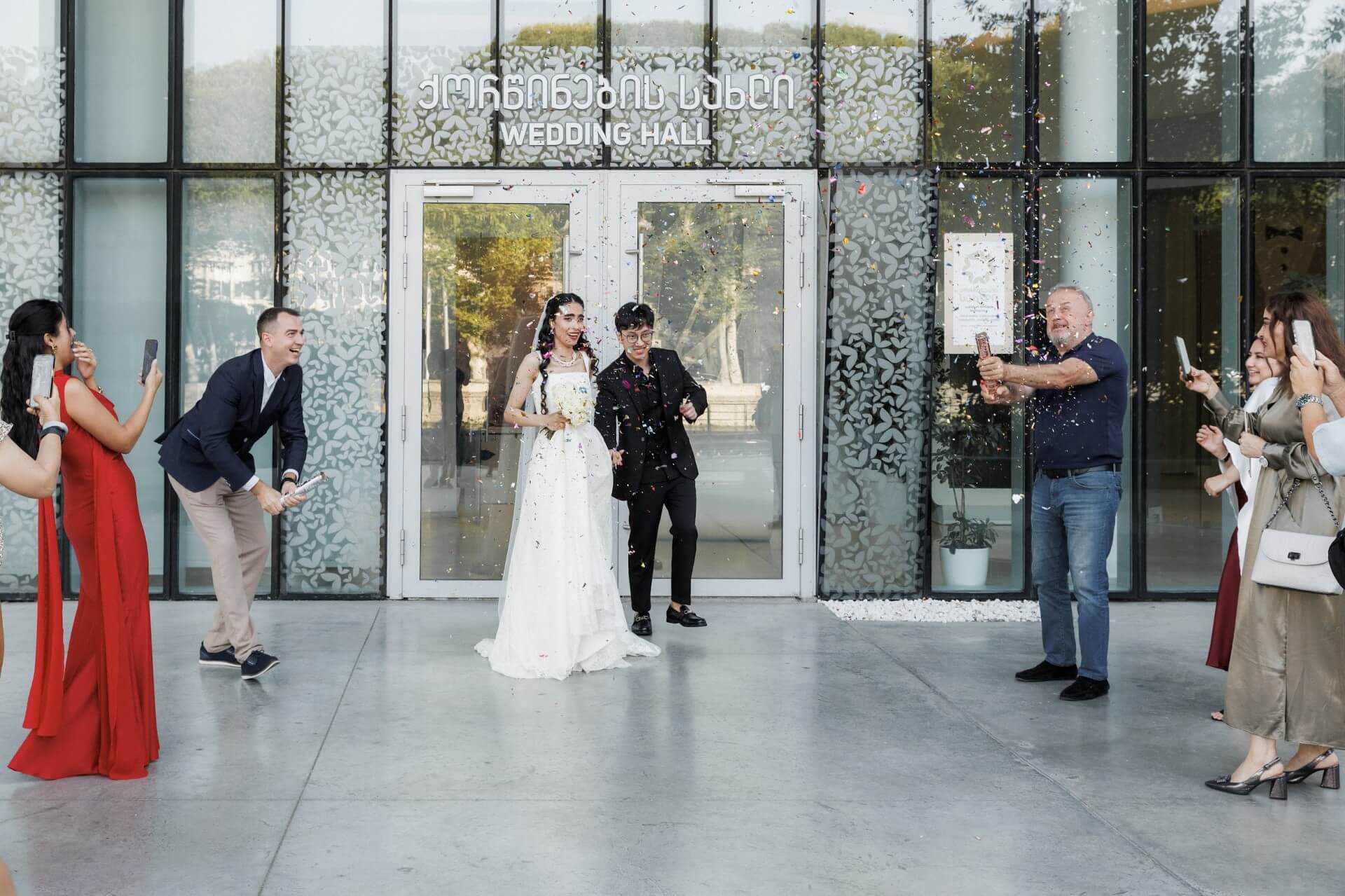
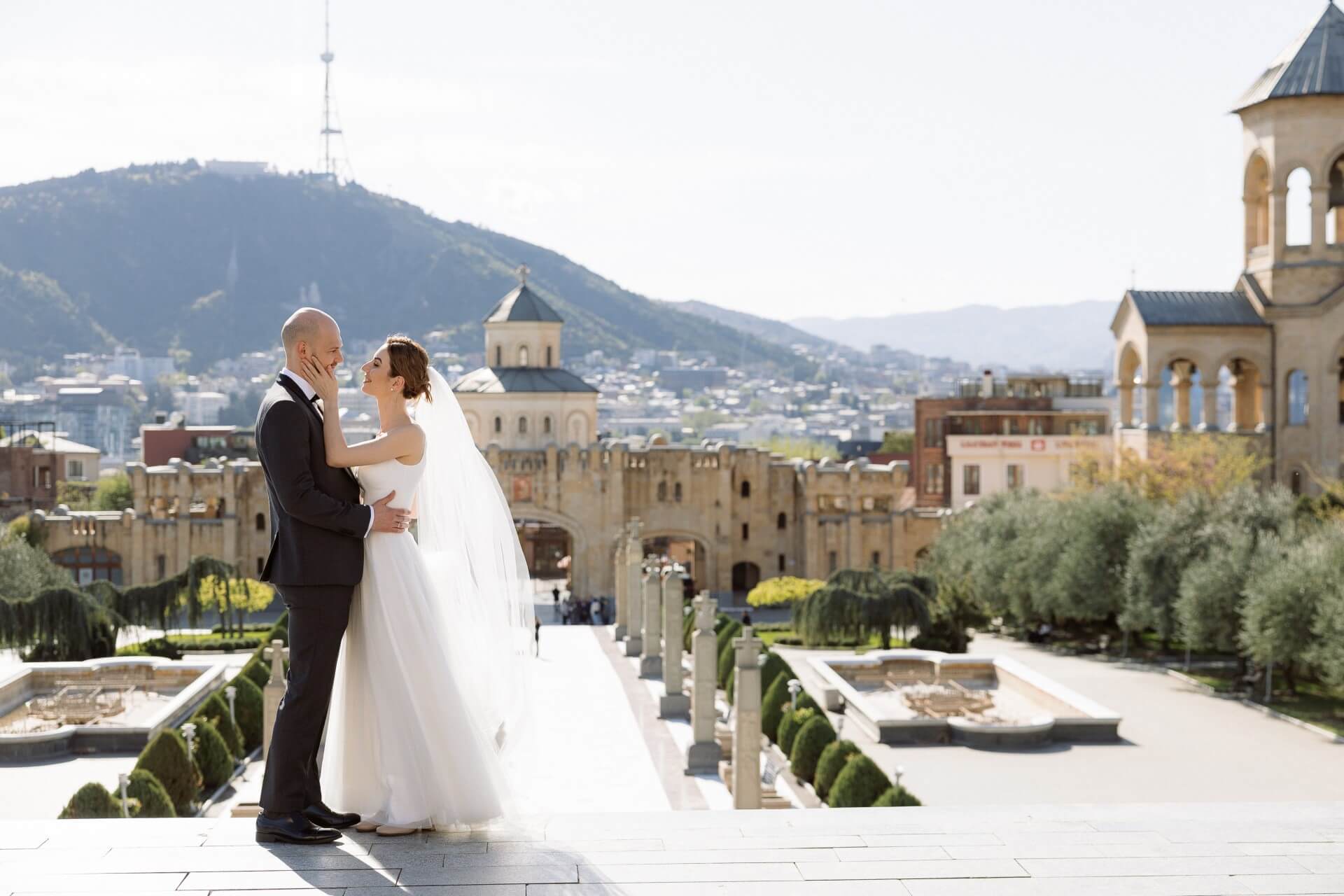
Visa-free entry to the country is available for citizens of Russia, Belarus, Ukraine, Spain (entry is also possible with TIE resident cards), and many other countries. The main advantage for foreign couples is the ability to get married at the Georgian Public Service Hall in just one or two days. A marriage with a Spanish citizen can be registered using only your international passports, without the need to prove residency or collect various certificates.
Comparison: marriage in Spain vs. a wedding in Georgia
Choosing the right location to tie the knot depends on your couple’s status and your willingness to navigate bureaucratic procedures. Georgian legislation is maximally simplified for foreigners, whereas the Spanish system requires extensive and lengthy preparation.
| Comparison Criteria | Spain | Georgia |
|---|---|---|
| Waiting time | At least 3-9 months | From several hours to one or two days |
| Residence permit requirements | Mandatory Spanish registration (certificado de empadronamiento) for at least one partner | Not required |
| Required documents | Passports, birth certificates, certificate of marital status (translated and apostilled) | International passports. If applicable — divorce or death certificate of the spouse (translated into Georgian, notarized) |
| Additional requirements | Interview to check for a sham marriage | None |
| Same-sex marriages | Allowed, have full legal force | Prohibited by law |
| Marriage certificate recognition | Recognized worldwide after apostille/consular legalization | |
Do you have any questions?
The process of legalizing a marriage in Spain: recognizing a Georgian certificate
A document obtained in Georgia is 100% legally binding in your country. For the certificate to gain full legal force, it must be processed in accordance with international requirements.
Apostille and sworn translation (traductor jurado)
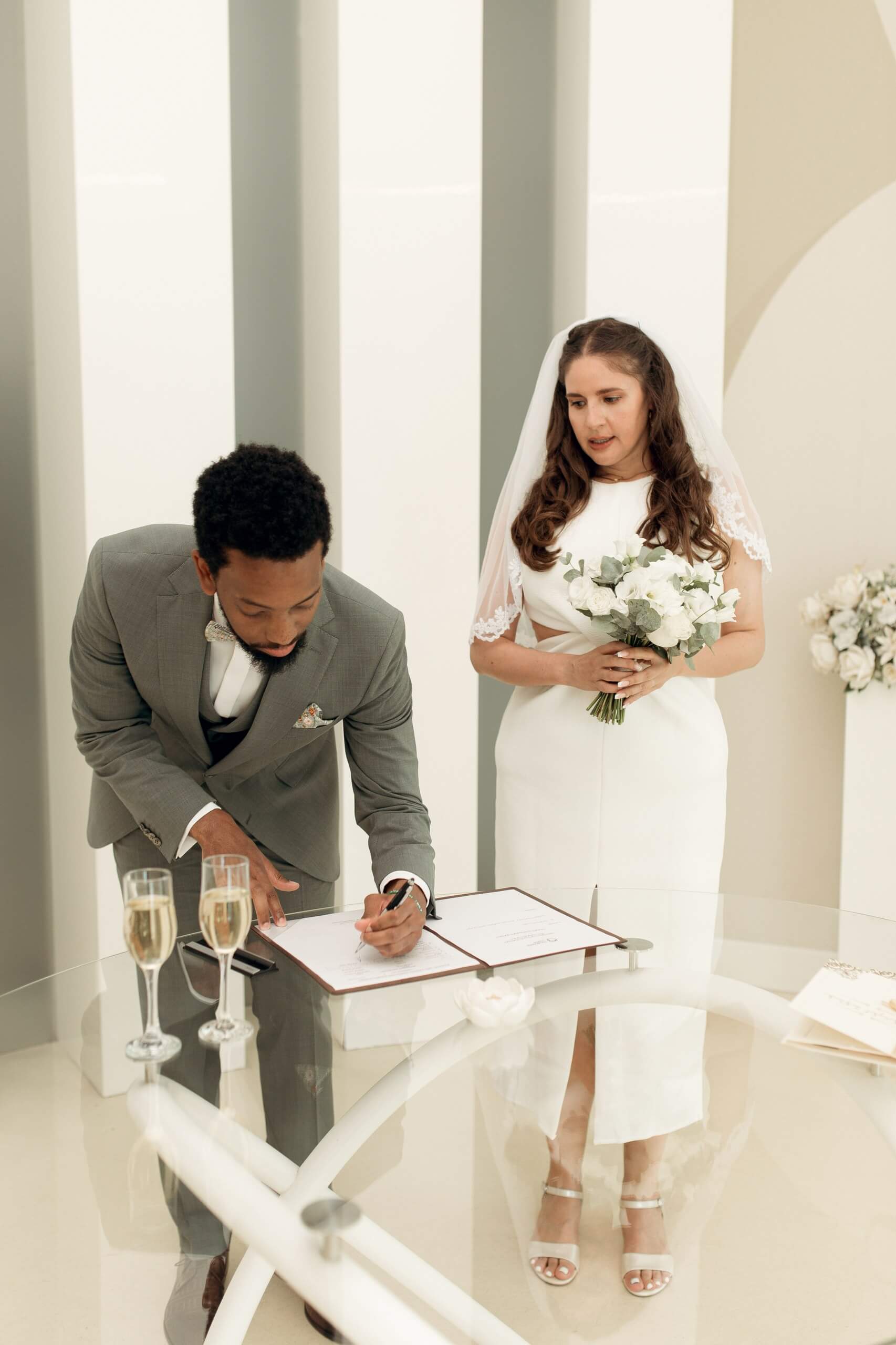
After the ceremony, you will receive a document officially confirming your status as spouses. The certificate must be stamped with an apostille at the Public Service Hall. Upon returning to Spain, you will need to order a translation of the document. This must be done exclusively by a sworn translator licensed by the Spanish Ministry of Foreign Affairs.
Family reunification and obtaining a residence permit (arraigo familiar)
With a legalized Georgian marriage certificate in hand, you can immediately apply for a residence permit at the immigration office (Extranjería). Marriage to an EU or Spanish citizen grants you the right to live and work in the country for 5 years. You will need to register the marriage through the Central Civil Registry (Registro Civil Central) and obtain a Family Book (Libro de Familia)—a registration extract from the electronic registry.
Do not waste months in Spain collecting documentation and waiting for an appointment (cita previa). Fly to Georgia for the weekend and return home with a ready-to-use marriage certificate.
The Lotus Wedding agency will organize a bright and unforgettable wedding for you. We will take care of every detail to ensure your special day is happy, romantic, and comfortable. Contact us via any convenient method to get full information about our services.